Why Heroic Trouble Script is a Designer's Secret Weapon
You know that moment when a design just clicks? The colors are right, the layout feels balanced, but something’s missing. Often, that final piece is the typography—a font that doesn’t just sit there but actively communicates the brand’s soul. This is where a typeface like Heroic Trouble Script enters the picture, not as a mere decorative element, but as a strategic tool for creators who want to inject personality and polish into their work.
More Than Just Pretty Letters
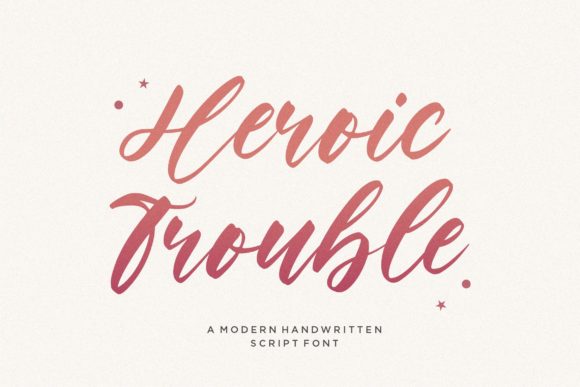
At first glance, Heroic Trouble is a modern handwritten script font with a flowing, connected style. But look closer, and you’ll see the nuance. The standard Heroic Trouble Script offers a robust, expressive baseline with stylish alternates and ligatures that give designs a custom, hand-lettered feel. Then there’s Heroic Trouble Monoline—a thinner, more refined sibling. This version emanates sophistication and elegance through its consistent, delicate weight, making it exceptionally versatile for projects where clarity and class are paramount.
This duality is key. The bolder script commands attention for headlines and logos, while the monoline variant provides a graceful, readable solution for longer text blocks, subtitles, or delicate accents. Together, they form a cohesive system that can carry an entire visual identity, from a boutique clothing tag to the hero section of a website.
Where Personality Meets Practicality
The true test of any premium font is its real-world application. Let’s break down where a typeface like this shines, moving beyond theory into tangible projects.
For Brand Identity & Logo Design: A handwritten script font instantly communicates approachability, creativity, and a human touch. Imagine a bakery logo using Heroic Trouble Script—the swashes and curves suggest homemade artistry. For a fashion boutique or a personal stylist, the monoline version adds a touch of high-end editorial flair. It helps build brand recognition because the typography itself becomes a memorable asset, distinguishing a business in a crowded market.
Packaging & Physical Products: On product labels, especially for cosmetics, gourmet foods, or artisanal goods, this font elevates perceived value. The script’s elegance suggests quality and care, directly influencing customer perception before they even try the product. For merchandise like tote bags, mugs, or apparel, the font’s stylish alternates ensure the text is both beautiful and legible from a distance.
Digital Presence & Marketing: In the fast-scroll world of social media, a striking display font stops the thumb. Use Heroic Trouble for Instagram story highlights, Pinterest pin titles, or Facebook ad headlines to create visual hooks. On a website, it can be used sparingly for key headings or calls-to-action, paired with a clean sans serif font for body text to maintain readability. For email marketing and digital products like e-books or worksheets, it adds a layer of professionalism and personality that plain system fonts cannot match.
Editorial & Invitation Design: This is where the font feels most at home. Wedding invitations, greeting cards, and event programs rely on typography to set the tone. The sophistication of the monoline style is perfect for formal invitations, while the bolder script adds a celebratory, joyful energy to save-the-dates and thank you cards. In magazine layouts or blog graphics, it can be used for pull quotes or section headers to break up monotony and guide the reader’s eye.
Pairing and Practicality: Making It Work
Using a script font effectively is about balance. It’s rarely the best choice for lengthy paragraphs of body text due to readability concerns. Instead, think of it as a headline or accent font. The goal is to let its personality shine without overwhelming the viewer.
A classic and reliable pairing strategy is to combine your script with a neutral, highly readable typeface. For a modern, clean look, pair Heroic Trouble Script with a geometric sans serif font. For a more traditional or editorial feel, try it with a timeless serif font. The contrast in structure allows the script’s character to stand out while the supporting font ensures information is communicated clearly.
A practical tip: Always test your font pairings in the context of your actual project. Create a mock-up of your business card, social media post, or website header. Check the spacing, size, and color contrast. Does the script font remain legible at the size it will be used? Does the overall composition feel harmonious? This step is crucial for professional presentation.
Beyond the Aesthetic: Licensing and Longevity
When choosing a creative font for commercial use, understanding the license is non-negotiable. A reputable premium font like Heroic Trouble will come with a clear commercial license that outlines permitted uses—typically covering everything from client work and merchandise to digital ads and software embedding. Always review the license details to ensure your project, whether for yourself or a client, is fully covered. This foresight prevents legal headaches down the line and is a mark of a professional designer or business owner.
Investing in a quality typeface is investing in design assets that grow with you. A versatile font family can be used across countless projects over years, ensuring visual consistency as your brand or design portfolio evolves. It becomes a reliable tool in your creative toolkit, saving time and reinforcing your unique style with every new piece you create.
Ultimately, selecting a font like Heroic Trouble Script is about making a deliberate choice. It’s about deciding that your project deserves more than a default setting. It’s about using typography to tell a story, evoke an emotion, and build a connection with your audience—whether they’re reading a wedding invitation, browsing an online store, or seeing your brand for the first time on a social feed. In the end, the right typeface doesn’t just display words; it amplifies their meaning.