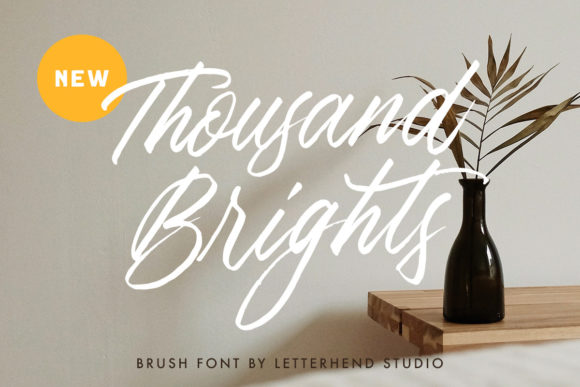
Thousand Brights Script: The Art of Authentic Handwriting
Imagine a font that doesn’t just sit on the page but breathes with personality. It captures the quick, confident stroke of a pen on paper, the kind of signature you’d find on a heartfelt letter or a boutique’s price tag. This is the essence of Thousand Brights Script, a typeface born from the organic flow of authentic handwriting. In a digital landscape often dominated by sterile, geometric fonts, this script font offers a touch of humanity, warmth, and immediate connection. It’s not about mimicking handwriting; it’s about channeling its natural, unforced elegance into a versatile design tool.
A Font with a Natural Signature Style
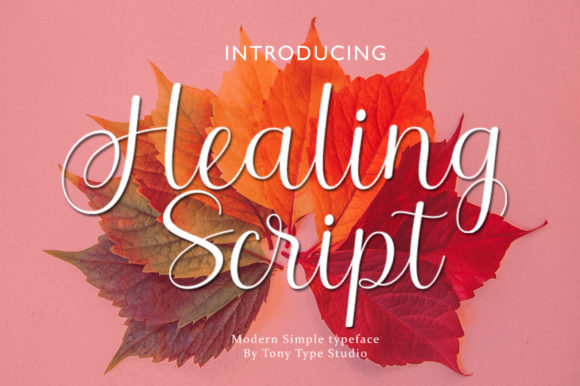
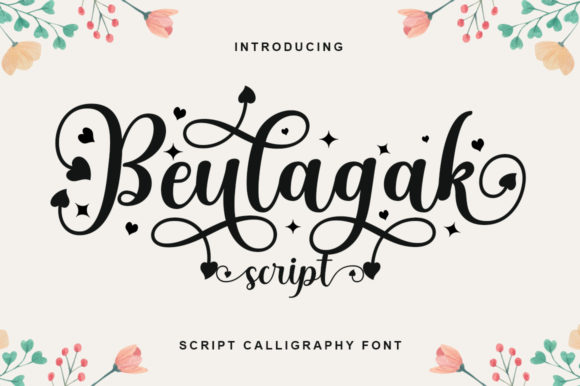
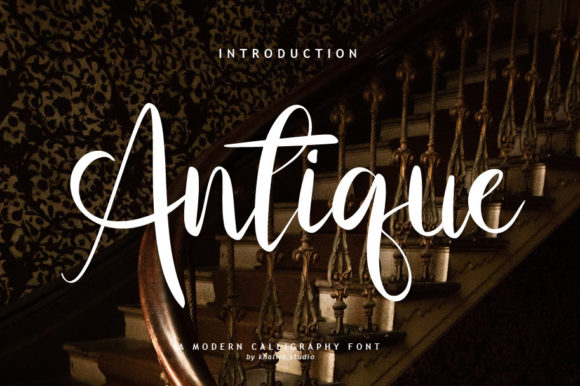
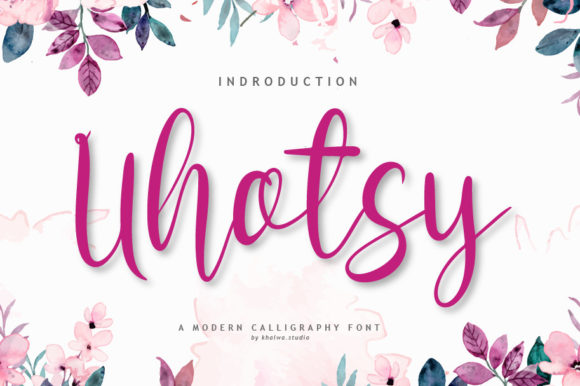
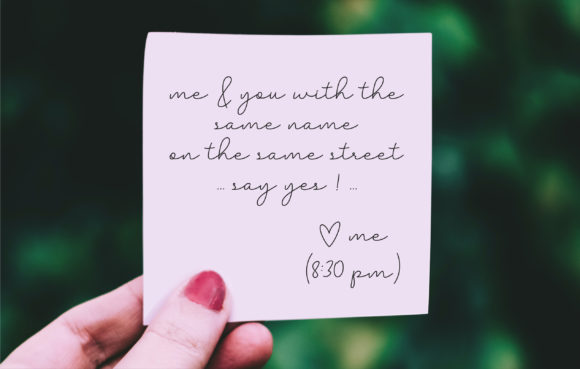
What sets this particular script typeface apart is its commitment to authenticity. The letterforms in Thousand Brights Script aren’t rigidly uniform; they carry subtle variations in baseline and stroke width that mimic the natural pressure of a hand holding a pen. This creates a dynamic rhythm across a line of text, preventing the mechanical repetition that can make some fonts feel lifeless. The result is a modern typography asset that feels personal and crafted. Whether used for a single hero word or a short, impactful phrase, it injects a sense of bespoke quality. It’s a premium font that understands the value of imperfection, making it ideal for projects where you want to convey sincerity, creativity, or a handcrafted ethos.
From Brand Identity to Wedding Invitations
The practical applications of a font like Thousand Brights Script are vast, precisely because its style resonates across different contexts. For a small business owner developing a brand identity, this handwritten font can become the cornerstone of a logo design. Think of a bakery, a florist, a freelance photographer, or a craft brewery. The script’s fluidity can communicate approachability and artistry, setting the tone before a customer reads a single word of copy. It’s a typeface that helps build immediate brand recognition through visual feeling.
Beyond the logo, the font proves invaluable in packaging design. A product label for artisanal goods, a sleeve for a luxury candle, or the packaging for organic skincare can leverage this script to signal quality and care. It tells a story of attention to detail. Similarly, in the realm of print materials and editorial design, it can be used for pull quotes, chapter headings in a novel, or mastheads for magazines and blogs, adding a layer of stylistic flair that guides the reader’s eye and enhances the overall aesthetic. For event-driven projects like greeting cards, wedding invitations, or menu designs, its elegant yet personal character is almost indispensable.
Strategic Pairings and Practical Considerations
While Thousand Brights Script is a strong standalone creative font, its true power in a professional setting often emerges through thoughtful font pairing. A script font’s ornate nature means it rarely works well for long body text. The key is to let it shine where it’s most effective—for headlines, logos, and accents—and pair it with a clean, highly readable typeface for supporting content. A classic serif font or a simple sans serif font can provide excellent contrast and balance. For instance, pairing it with a geometric sans serif for a tech startup’s website header can create a striking juxtaposition of human touch and modern efficiency. For a wedding suite, it might sit beautifully alongside a light, elegant serif for the details text.
Before committing, always test the font in your specific application. How does it look at the size you’ll use it? Is the character set sufficient for your needs, including any special ligatures or alternate letters that might enhance the design? For commercial projects, verifying the licensing is a non-negotiable step. Understanding whether the font license covers your intended use—be it for a client’s logo, merchandise for sale, or a digital product template—is essential for a professional presentation and legal peace of mind.
Elevating Digital and Physical Touchpoints
In our visually saturated world, consistency across all brand touchpoints is what builds trust and recognition. A font like this can be a unifying element. Use it on your website for key call-to-action buttons or hero section titles to create an emotional hook. Carry it over to your social media graphics for Instagram Stories, Pinterest pins, or Facebook ads to maintain a cohesive visual language that your audience will learn to associate with your brand. For content creators and marketers, this kind of consistency in design assets strengthens brand identity and improves audience engagement.
The value extends into the digital product space. A course creator could use it for the title slides of their presentations or the cover of an e-book. A blogger might use it for their post headers or newsletter graphics to add personality. Even for hobbyists and crafters, the font opens up possibilities for designing personalized stationery, custom T-shirt graphics, or unique art prints. It’s a versatile design asset that adapts to both large-scale commercial campaigns and intimate, personal projects.
Making an Informed Choice for Your Project
Selecting the right typeface is a critical decision in any design process. It’s not merely about what looks attractive in isolation, but what aligns with your project’s goals and communicates the right message to your audience. A script font like Thousand Brights Script is a powerful tool for evoking emotion, creativity, and a personal touch. However, its effectiveness depends on context. A law firm’s annual report might not be its ideal home, but for a lifestyle brand, a creative agency, or a personal blog, it could be exactly the element that makes the design memorable and engaging.
Consider the personality you want to project. Does the font’s style—its energy, its elegance, its casualness—match the voice of your brand or project? Review the full font family; many premium fonts include multiple weights or styles (like regular and bold) that offer additional flexibility. The most successful designs use typography with intention, choosing a typeface not just for its beauty, but for its ability to serve a specific communicative purpose. By thoughtfully integrating a font like this, you move beyond decoration and into the realm of effective visual storytelling.