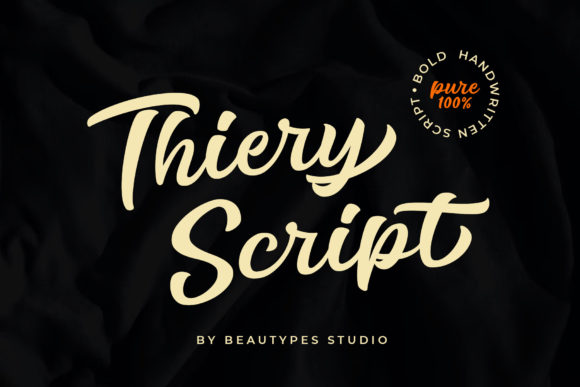
Thiery Script: The Stylish Typeface for Modern Brands
Every brand has a voice. It speaks through its words, its colors, and the images it chooses. But there's a silent communicator that often does more heavy lifting than we realize: its typography. The right typeface doesn't just display text; it conveys personality, sets a mood, and builds instant recognition. For designers and entrepreneurs searching for that perfect blend of contemporary flair and timeless elegance, a particular script font has been making waves. It’s a tool that feels both personal and polished, designed for projects that need to stand out with sophistication.
A Font with a Modern, Elegant Character
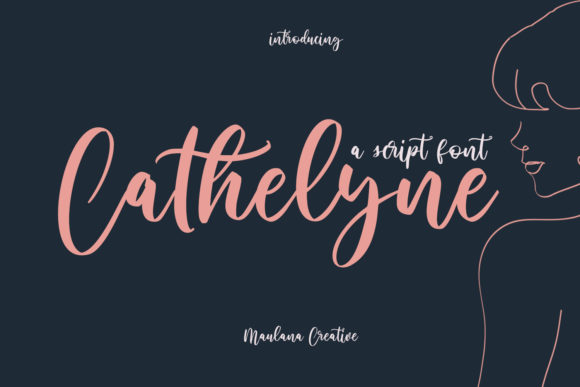
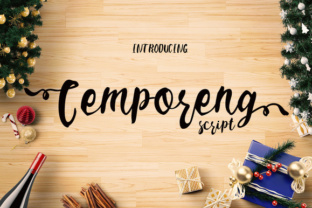
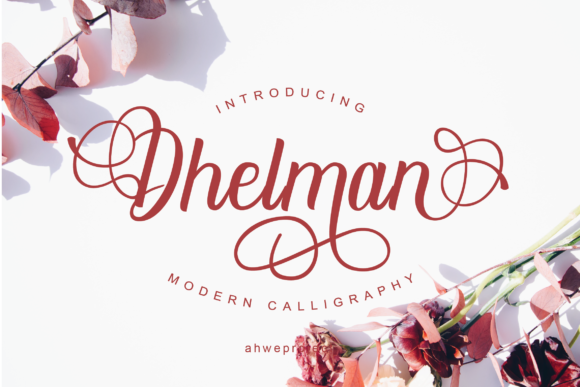
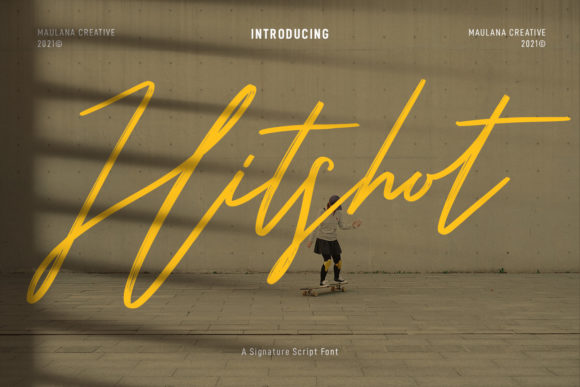
At its core, this is a stunning script font that captures the essence of fluid, natural handwriting while maintaining a clean, digital precision. Its letterforms feature graceful swashes and flowing connections that give text a sense of movement and artistry. This isn’t a stuffy, formal calligraphy; it’s a modern typeface with a trendy edge, making it incredibly versatile. The elegant design works equally well for a high-end boutique as it does for a trendy coffee shop or a creative freelancer’s portfolio. It strikes that crucial balance between being visually interesting and highly legible, a common challenge with many script fonts.
Practical Applications for Creative Projects
The true value of a premium font lies in its utility. Where does this particular script font shine? Its applications are nearly endless, fitting seamlessly into both digital and physical realms. Consider its use in logo design, where it can instantly establish a brand’s personality as friendly, luxurious, or creative. For packaging design, it adds a handcrafted touch that can make a product feel more personal and premium on the shelf.
In the digital space, it’s a powerhouse for social media graphics. A quote, a sale announcement, or a call-to-action set in this font will stop the scroll and engage your audience. It’s perfect for web design elements like headers or special feature text, and for blog titles that need to capture a reader’s attention. For print materials—think business cards, letterheads, and posters—it adds a layer of sophistication that plain text simply can’t achieve.
Entrepreneurs and crafters will find it invaluable for merchandise like t-shirts, mugs, and tote bags. Event planners and hobbyists can use it to create beautiful, custom invitations for weddings, parties, or special announcements. Even in editorial layouts for magazines or lookbooks, it can be used for pull quotes or section headers to break up monotony and add visual interest. Its utility extends to digital products like e-books, worksheets, and online course materials, as well as marketing assets such as email headers and promotional flyers.
Enhancing Your Brand’s Visual Language
Integrating a font like this into your toolkit does more than just make things look pretty. It contributes directly to core branding and communication goals. Firstly, it aids in creating visual consistency. When you use the same distinctive typeface across your website, social media, and packaging, you create a cohesive visual identity that customers begin to recognize subconsciously.
This consistency directly fuels brand recognition. Think of iconic brands—often, a key part of their identity is a specific typeface. A unique and well-chosen script font can become a cornerstone of your brand’s visual identity, making you instantly identifiable in a crowded market. Furthermore, despite its decorative nature, a well-designed script font can maintain readability at appropriate sizes, ensuring your message is always clear. It elevates your professional presentation, signaling that you pay attention to detail and value quality. Ultimately, all of this leads to stronger audience engagement; compelling typography is a key ingredient in content that connects and resonates.
Tips for Choosing and Using a Script Typeface
Adopting any new design asset requires some thought. Here’s how to get the most out of a font like this. First, choose the right font style for your project’s tone. This particular script is versatile, but always test it in context. A wedding invitation will use it differently than a tech startup’s logo. Match typography to project goals; if your goal is approachable luxury, this font is a strong candidate.
Testing font pairings is non-negotiable. A script font is rarely used for large blocks of body text. Pair it with a clean, simple sans serif font or a classic serif font for paragraphs. The contrast will make the script header pop while keeping the overall design balanced and readable. Always consider readability considerations. Use it for headlines, logos, and short phrases rather than for an entire blog post or website navigation menu. Check its legibility at small sizes if you plan to use it for fine print.
Take time to review included font styles. Many premium fonts come with multiple weights, alternates, and swashes. Learning how to access these glyphs and swashes—often easily accessible thanks to PUA encoding—can add even more customization and flair to your designs. Finally, for any commercial use, always be clear on commercial licensing considerations. Ensure the license covers your intended use, whether it’s for client work, merchandise for sale, or digital products. This protects you legally and supports the font designers who create these valuable design assets.
Choosing a typeface is a creative and strategic decision. A font that blends modern trends with elegant execution offers a powerful way to define your project’s voice. It’s a creative tool that, when used thoughtfully, can help articulate your brand’s story, connect with your ideal audience, and make every piece of communication more memorable and effective.