Shades Bookah Script: A Handwritten Font for Modern Creators
There’s a moment in every design project when you realize the typeface is doing more than carrying words—it’s setting the entire mood. Whether you’re crafting a logo for a new bakery, designing a wedding suite, or creating social media posts for a boutique brand, the right font can make your work feel personal, polished, and unmistakably yours. That’s where a versatile handwritten font like Shades Bookah Script comes in, offering a blend of elegance and approachability that’s hard to find in more rigid typefaces.
Why a Handwritten Font Still Resonates
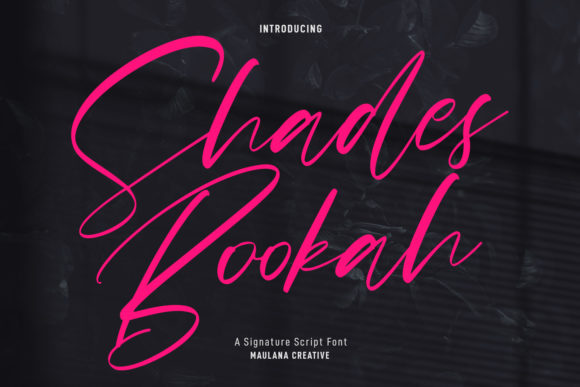
In a world saturated with digital precision, there’s something deeply appealing about the human touch. Handwritten fonts like Shades Bookah Script capture the irregularity and warmth of real handwriting, but with the consistency and scalability needed for professional use. This particular typeface strikes a balance between being expressive and readable, making it suitable for everything from headlines to short paragraphs of text. Its flowing letters and subtle swashes add a layer of sophistication without sacrificing clarity—a common challenge with script fonts.
What sets this font apart is its flexibility. It’s not overly ornate, which means it can adapt to different contexts. Imagine it on a wedding invitation, where its gentle curves evoke romance and celebration. Now picture the same font on a coffee shop menu, where it feels welcoming and artisanal. That ability to shift tone while maintaining its core personality is a hallmark of a well-designed typeface.
Practical Applications Across Design Projects
One of the greatest strengths of a font like Shades Bookah Script is its versatility across various media. For branding, it can serve as the primary typeface for logos, business cards, and packaging—especially for brands that want to convey creativity, warmth, or a personal touch. Think of a handmade cosmetics line, a boutique stationery brand, or a specialty food company; this font helps communicate that hands-on, artisanal quality.
When it comes to digital design, it shines in social media graphics, website headers, and blog titles. Its handwritten style catches the eye in a crowded feed, making posts feel more authentic and engaging. For marketers and content creators, using such a font can help humanize a brand’s voice, making communications feel less corporate and more conversational. It’s also a great choice for digital products like e-books, worksheets, or online course materials, where a touch of personality can enhance the learning experience.
In print, the font works beautifully for posters, flyers, and editorial layouts. Its legibility at various sizes makes it practical for both headlines and supporting text, though it’s always wise to test how it reads in longer passages. For special events, it’s an obvious choice for invitations, thank-you cards, and signage—anywhere you want to add a personal, celebratory feel.
Pairing and Readability: Making It Work in Context
No font works in isolation. A key part of using any typeface effectively is pairing it with complementary fonts to create visual hierarchy and ensure readability. Shades Bookah Script, with its flowing, decorative nature, often pairs well with clean, simple sans-serif or serif fonts. For example, using it for headlines alongside a neutral sans-serif for body text can create a balanced, professional look. This approach works for websites, presentations, and printed materials alike.
Readability is always a consideration with script fonts. While Shades Bookah Script is designed to be legible, it’s best used for shorter text elements—headlines, quotes, callouts, or decorative accents—rather than long blocks of copy. Testing the font in context is essential. View it on different screens, in print proofs, and at various sizes to ensure it maintains its clarity and impact. Remember, the goal is to enhance your design, not make it harder to read.
Exploring the Font’s Features and Licensing
For those who appreciate detail, the included glyphs and swashes can add extra flair to your projects. These alternate characters allow for customization, helping you avoid a generic look and tailor the font to specific needs. Since Shades Bookah Script is PUA encoded, accessing these features is straightforward, even for those who aren’t deep into design software. This accessibility makes it a practical choice for small business owners, crafters, and hobbyists who want professional results without a steep learning curve.
As with any premium font, it’s important to understand the licensing terms. Most commercial fonts require a license for business use, whether for client projects, merchandise, or marketing materials. Always review the license agreement to ensure it covers your intended use. This step protects both you and the font creator, and it’s a mark of professionalism in the design community.
Choosing the Right Font for Your Project’s Goals
Selecting a typeface is about more than aesthetics—it’s about alignment with your project’s objectives and audience. Ask yourself: What emotion should this design evoke? Who is the intended audience? How will the font be used across different touchpoints? For instance, a playful, handwritten font might suit a children’s brand but could feel out of place in a corporate financial report. Shades Bookah Script tends to work best for projects that value creativity, approachability, and a personal connection.
Think about your brand identity as a whole. If you’re building a visual system, consider how this font fits with your color palette, imagery, and overall style. Consistency across all elements builds recognition and trust. Using the same typeface across your website, social media, packaging, and print materials creates a cohesive experience that helps your audience remember you.
Ultimately, the best font is one that serves your message and resonates with your audience. It should feel intentional, not arbitrary. Take the time to experiment, gather feedback, and see how the typeface performs in real-world applications. Whether you’re a designer refining a client’s brand, an entrepreneur launching a new product, or a hobbyist creating something for fun, the right font can elevate your work from ordinary to memorable.