Molleta Script: A Handwritten Font for Timeless Branding
There’s a particular quality in a handwritten font that feels both intimate and confident. It carries the warmth of a personal note with the structure of professional design. Molleta Script is a typeface that embodies this balance. It’s not just another script font; it’s a carefully crafted tool for designers, entrepreneurs, and creators who want to inject personality and elegance into their work. The fluidity of each letterform suggests a human touch, making it ideal for projects that need to feel authentic yet polished.
The Visual Charm of a Modern Handwritten Typeface
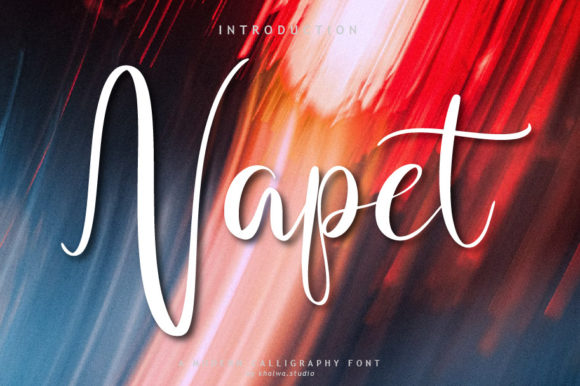
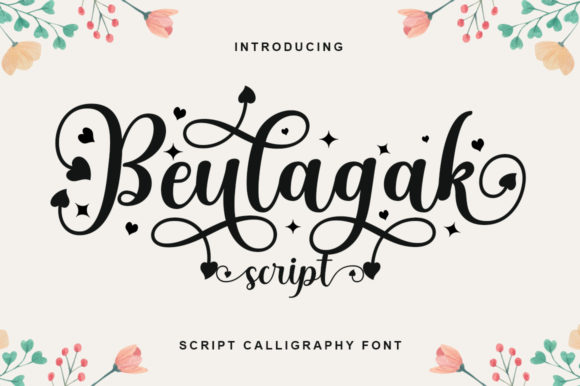
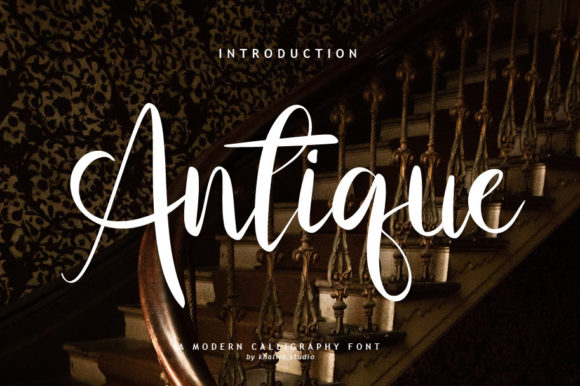
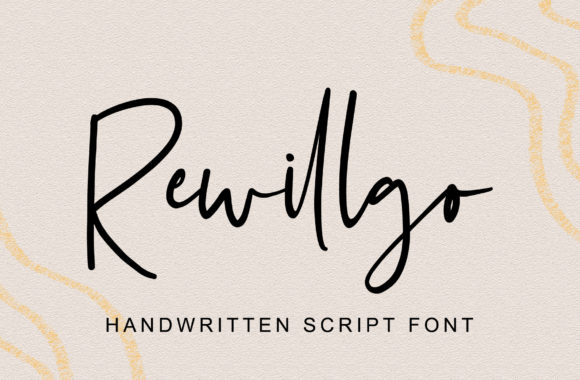
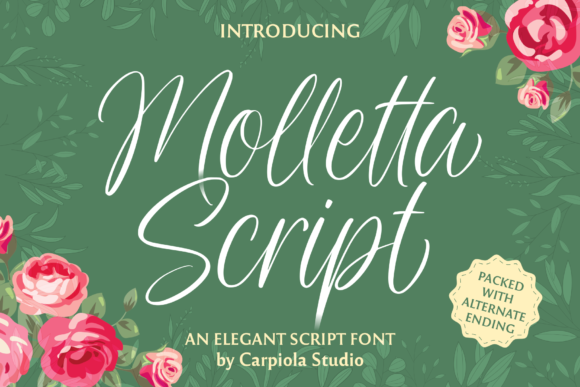
What immediately stands out about Molleta Script is its timeless elegance. The strokes have a natural flow, with subtle variations in thickness that mimic the pressure of a real pen. This isn’t a rigid, overly stylized script. It’s legible and graceful, with just enough flair to be distinctive without sacrificing readability. The font often includes stylistic alternates and swashes—those decorative flourishes that can be added to beginning or end letters. Because it’s PUA encoded, accessing these special characters is straightforward, allowing you to customize words and create truly unique typographic compositions.
This design makes it a versatile display font. It works beautifully at larger sizes for headlines and logos, where its details can truly shine. Think of a boutique hotel’s signage, the header of a luxury wedding invitation, or the title of an artisanal product label. The font’s character evokes a sense of craftsmanship and care.
Practical Applications: From Brand Identity to Social Media
The true test of any premium font is how it performs in real-world scenarios. Molleta Script excels across a surprising range of applications, making it a valuable asset in any designer’s toolkit.
For brand identity, this typeface can become the cornerstone of a visual language. A small business owner creating a logo for a bakery, a jewelry line, or a consulting service can use Molleta Script to instantly communicate a brand personality that is approachable, refined, and trustworthy. It pairs exceptionally well with a clean sans serif font for body text, creating a dynamic contrast that is both modern and readable. This combination is a classic font pairing strategy that ensures visual consistency across all touchpoints, from business cards to website headers.
Beyond logos, its utility extends into packaging design. Imagine a script font adorning a coffee bag, a candle jar, or a skincare bottle. It adds a layer of perceived value and artisanal quality. For social media graphics, it can make quotes, announcements, and promotional posts stand out in a crowded feed. The handwritten feel is inherently engaging and helps foster a personal connection with an audience, boosting audience engagement.
Don’t overlook its power in editorial design and web design. Used sparingly for pull quotes, chapter titles, or featured article headers in a blog, it draws the eye and adds visual interest. For digital products like e-books, planners, or course materials, it can help structure content in an inviting way. In marketing assets such as posters, flyers, or email headers, it captures attention and conveys a specific mood—be it romantic, celebratory, or sophisticated.
Integrating Molleta Script into Your Design Workflow
Choosing the right font is only half the battle; using it effectively is what makes a design successful. Here’s some practical advice for incorporating a script font like this into your projects.
First, always consider readability considerations. While Molleta Script is designed for clarity, it’s best used for short bursts of text: headlines, logos, subheadings, and call-outs. For long paragraphs or detailed information, pair it with a highly legible serif font or sans serif font. This ensures your message is communicated clearly while maintaining the desired aesthetic.
Second, take time to test font pairings. Don’t just default to a common combination. Experiment. Try pairing Molleta Script with a geometric sans serif for a modern, clean look, or with a classic serif for a more traditional, elegant feel. The goal is to create a harmonious hierarchy where the script font provides personality and the supporting font provides stability.
Third, explore the full character set. Since Molleta Script is PUA encoded, make sure you’re accessing all the glyphs and swashes. These extras can transform a standard word into a custom piece of lettering. Use them to create unique ligatures or to add a decorative flourish to the end of a word in a logo. This level of customization elevates your work from using a font to creating typographic art.
Finally, be mindful of commercial licensing. If you’re using the font for client work, merchandise, or digital products for sale, verify that your license covers these uses. A reputable commercial font will have clear licensing terms, ensuring you can use your design assets with confidence.
A Tool for Creative and Professional Growth
Investing in a high-quality typeface like Molleta Script is an investment in your creative capability. It’s a design asset that can help you achieve a more professional presentation, whether you’re building a brand from scratch, refreshing an existing identity, or creating marketing materials that need to convert. The right typography doesn’t just decorate; it communicates, persuades, and builds recognition.
For the creative entrepreneur or the small business owner, having a go-to elegant script font simplifies the design process. It provides a reliable way to produce visuals that look polished and intentional, which is crucial for building trust with your audience. For the designer, it expands your stylistic range, allowing you to offer clients a broader spectrum of aesthetic choices.
In a landscape saturated with generic visuals, thoughtful typography is a powerful differentiator. A font with the character and versatility of Molleta Script offers a way to create designs that feel both personal and premium, helping your work—and your brand—resonate more deeply.