Mick Script: The Handwritten Font That Brings Warmth to Any Design
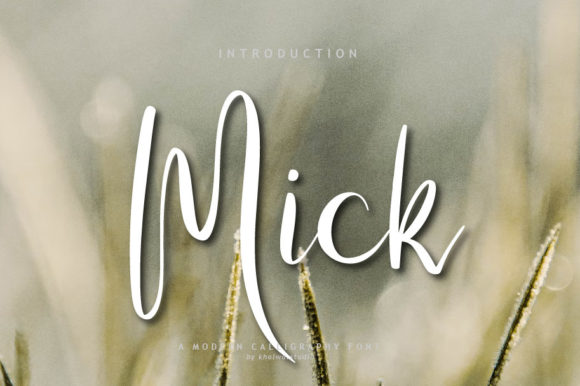
There's something undeniably human about a handwritten font. It carries personality, emotion, and a sense of authenticity that polished digital typefaces sometimes miss. When you stumble across a script font that strikes the right balance between elegance and approachability, it changes how you think about your projects. That's exactly what Mick Script brings to the table — a lovely, timeless handwritten typeface that feels both personal and versatile enough for professional use.
Every letter in this font carries its own character. The flowing strokes, the gentle curves, the subtle imperfections that make handwriting feel real — all of these elements work together to create typography that doesn't just sit on a page. It communicates. Whether you're building a brand from scratch, designing packaging for a small business, or putting together social media content that needs to stop someone mid-scroll, Mick Script offers a visual language that connects with people on an emotional level.
Why Handwritten Fonts Still Matter in Modern Design
In an era dominated by clean sans serif fonts and minimalist layouts, you might wonder why a script font still holds relevance. The answer is simple: people crave connection. We're surrounded by screens, algorithms, and automated everything. When a design element feels handmade, it cuts through the noise. A handwritten font like Mick Script signals warmth, creativity, and individuality — qualities that audiences respond to whether they realize it or not.
Think about the brands you're drawn to. Chances are, many of them use typography that feels personal rather than corporate. Coffee shops, bakeries, boutique clothing lines, independent publishers, wedding planners — these businesses thrive on authenticity. A premium font with a hand-lettered aesthetic helps them communicate their story without saying a word. It's not about being trendy. It's about being genuine.
That said, not every script font works for every project. Some are too ornate, sacrificing readability for flair. Others feel generic, like they were pulled from a free font site without much thought. What sets Mick Script apart is its balance. It's decorative enough to catch the eye but structured enough to remain legible across different sizes and applications. That's a harder needle to thread than most people realize.
Where Mick Script Truly Shines
Let's talk about practical applications, because a font is only as good as the projects it elevates. Mick Script works beautifully in logo design, where you need a typeface that conveys personality at a glance. A logo sets the tone for an entire brand identity, and choosing the right typeface is one of the most consequential decisions you'll make. This font gives logos an inviting, handcrafted quality that feels approachable without sacrificing professionalism.
Packaging design is another area where this typeface excels. Imagine a candle label, a jar of artisan honey, or a box of handmade chocolates. The product itself might be premium, but the packaging needs to reflect that quality visually. A handwritten font adds that artisanal touch consumers associate with care and craftsmanship. It tells the buyer that a real person made this, that thought went into every detail.
Social media graphics benefit enormously from fonts with personality. Platforms like Instagram and Pinterest are visual battlegrounds. You have roughly two seconds to grab someone's attention before they keep scrolling. A bold, expressive script font can make quotes, announcements, and promotional posts stand out in a crowded feed. Pair it with a clean sans serif for body text, and you've got a visual hierarchy that's both attractive and functional.
Don't overlook print materials either. Invitations, greeting cards, posters, flyers, and event programs all benefit from a font that feels personal. If you're a wedding planner or an event coordinator, having a go-to script font in your design toolkit saves time and ensures consistency across everything you produce. Mick Script works particularly well for editorial layouts too — think magazine headers, blog post titles, and book covers where you want to evoke emotion before the reader even processes the words.
Pairing and Readability: Getting the Details Right
One of the most common mistakes designers make with script fonts is using them for everything. A handwritten typeface is powerful, but it needs the right context. Body text set entirely in a script font becomes exhausting to read after a few lines. The eyes need breathing room, which is why font pairing matters so much.
A smart approach is to use Mick Script for headlines, subheadings, logos, and accent text, then pair it with a straightforward serif or sans serif for longer passages. This creates contrast and visual interest while keeping your content accessible. Think of the script font as the star of the show and the supporting typeface as the stage crew — essential but not competing for attention.
Readability also depends on size and spacing. At larger sizes, the details of Mick Script's letterforms come through beautifully. At very small sizes, some of those details might get lost. Always test your typography at the actual size it will appear in the final design. Print a sample, view it on different screens, and ask someone unfamiliar with the project if they can read it easily. These simple checks prevent problems down the road.
Building a Brand Identity Around Typography
Typography is one of the most underrated tools in brand building. Colors and imagery get a lot of attention, but the fonts you choose shape how people perceive your business just as powerfully. A consistent typeface across your website, social media, packaging, and marketing materials creates recognition. Over time, people start associating that visual style with your brand before they even read the content.
If your brand values warmth, creativity, and a personal touch, a handwritten font like Mick Script can anchor your entire visual identity. Use it for your logo, your email headers, your product labels, your thank-you cards. When every touchpoint shares the same typographic DNA, your brand feels cohesive and intentional. Customers notice that, even if they can't articulate why.
For entrepreneurs and small business owners who aren't trained designers, this kind of consistency can feel overwhelming. Having a reliable typeface that works across multiple applications simplifies the process considerably. You don't need to hunt for a new font every time you create something. You already have one that fits your brand's voice, and you know it looks good because you've tested it.
Practical Considerations Before You Commit
Before integrating any font into your workflow, it's worth reviewing what's included in the package. Does the typeface come with multiple weights or styles? Are there alternate characters, ligatures, or stylistic sets that give you more creative flexibility? These extras can make a significant difference in how versatile the font proves over time.
Licensing is another detail that deserves attention. If you're using a font for client work, merchandise, or any commercial application, you need to confirm that the license covers those uses. Most premium fonts come with clear commercial licensing terms, but it's always worth reading the fine print. The last thing you want is a licensing issue after you've already printed five hundred product labels.
Finally, give yourself permission to experiment. Download the font, set some sample text, mock up a few designs, and see how it feels in context. Typography is visual and tactile — you need to see it in action before you can judge whether it's the right fit. Mick Script's timeless quality and distinctive character make it a strong contender for a wide range of creative projects, but the best way to know if it works for yours is to try it.